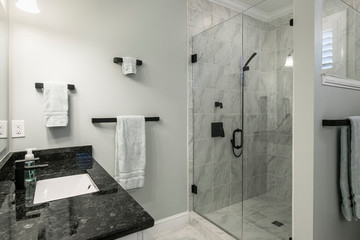
A bathroom remodel is one of the most effective ways to improve comfort, functionality, and home value. Whether updating a small guest bath or transforming a primary suite, remodeling requires careful planning and coordinated execution. Bathrooms involve plumbing, electrical systems, waterproofing, and detailed finishes, making the process more complex than it may appear at first glance.
Understanding the bathroom remodel process helps homeowners prepare for each stage and achieve a successful outcome. Visit Website for more details.
Defining Your Goals and Remodeling Vision
The bathroom remodel process begins with a clear understanding of your goals. Some homeowners seek a modern aesthetic, while others prioritize improved storage, accessibility, or energy efficiency. Identifying your primary objectives helps guide design decisions and budget allocation.
Evaluate the current bathroom layout and note what is not working. Limited counter space, poor lighting, outdated fixtures, or insufficient storage often motivate remodeling projects. Considering how the bathroom is used daily allows you to design a space that enhances both comfort and convenience.
A defined vision creates direction and ensures that every choice aligns with long term needs.
Establishing a Realistic Budget
Budget planning is a crucial step in the bathroom remodel process. Costs can vary depending on the scope of the renovation, material choices, and structural changes. Establishing a realistic budget helps prevent financial strain and keeps expectations grounded.
A comprehensive budget should account for fixtures, cabinetry, tile, flooring, plumbing, lighting, labor, and permits. It is also important to include a contingency allowance for unexpected issues such as hidden water damage or outdated plumbing.
Careful financial planning provides clarity and supports informed decision making throughout the remodel.
Designing the Layout and Floor Plan
Layout design significantly influences the success of a bathroom remodel. The placement of the sink, toilet, shower, and bathtub affects both efficiency and comfort. A well designed layout maximizes available space while maintaining proper clearances.
In some remodels, the existing layout remains unchanged to control costs. In others, walls may be moved or plumbing relocated to create a more functional design. Consulting with experienced professionals during this stage ensures that the layout meets building standards and enhances usability.
Thoughtful design creates a balance between aesthetics and practicality.
Selecting Materials and Fixtures
Material selection plays a major role in the appearance and durability of a remodeled bathroom. Tile, countertops, cabinetry, and fixtures must withstand moisture and daily use. Choosing high quality materials ensures long lasting performance.
Fixtures such as faucets, showerheads, and lighting contribute to both style and efficiency. Water saving fixtures can reduce utility costs while maintaining performance. Coordinating finishes creates a cohesive design that reflects personal taste.
Finalizing selections before construction begins prevents delays and helps maintain the project timeline.
Hiring Professionals and Securing Permits
Bathroom remodeling often involves multiple trades, including plumbers, electricians, and tile installers. Hiring qualified professionals ensures that each aspect of the project is completed safely and according to code.
Certain renovations require permits, especially when plumbing or electrical systems are modified. Obtaining necessary approvals before starting construction avoids compliance issues and potential fines.
Professional coordination streamlines the process and reduces the risk of costly errors.
Preparing for Demolition
Preparation is essential before demolition begins. Removing personal items and setting up alternative bathroom arrangements minimizes inconvenience during construction. Clear communication with contractors about expectations and timelines ensures a smoother experience.
Demolition involves removing old fixtures, tile, flooring, and cabinetry. This stage may uncover hidden issues such as mold, water damage, or outdated wiring that require attention before rebuilding.
Careful demolition creates a clean foundation for the new design.
Plumbing and Electrical Upgrades
Once demolition is complete, rough plumbing and electrical work begin. This stage includes relocating pipes, installing new wiring, and ensuring proper ventilation. Updating these systems ensures that the remodeled bathroom meets modern standards and functions efficiently.
Proper waterproofing and drainage are critical during this phase. Ensuring that shower areas are sealed correctly prevents future leaks and structural damage.
Completing system upgrades early provides a stable framework for the remainder of the remodel.
Installing Walls, Tile, and Flooring
After plumbing and electrical work are finalized, the installation of walls and surfaces begins. Drywall and backer board are installed to prepare for tile application. Tile installation requires precision to ensure proper alignment and durability.
Flooring materials must be moisture resistant and properly sealed. Attention to detail during installation enhances both appearance and longevity.
This stage brings visible progress and begins to reveal the transformed space.
Cabinetry, Fixtures, and Finishing Details
With surfaces in place, cabinetry and fixtures are installed. Vanities, mirrors, and storage units are secured according to the design plan. Plumbing fixtures such as sinks, faucets, and showerheads are connected and tested.
Lighting fixtures and accessories are added to complete the look. Small details such as hardware placement and paint finishes contribute significantly to the overall aesthetic.
Careful attention during this stage ensures a polished and cohesive result.
Final Inspection and Quality Review
As the remodel nears completion, a thorough inspection ensures that all work meets quality standards. Plumbing connections are checked for leaks, electrical systems are tested, and fixtures are evaluated for proper operation.
A final walkthrough allows homeowners to review the completed project and address any minor adjustments. Ensuring satisfaction before closing the project provides confidence in the investment.
This step marks the transition from construction to daily enjoyment.
Managing the Timeline and Expectations
Bathroom remodels require patience and flexibility. Depending on the scope of work, the process can take several weeks. Material availability, unexpected repairs, and scheduling coordination can influence the timeline.
Maintaining open communication with contractors helps manage expectations and address challenges promptly. Being prepared for temporary disruptions ensures a smoother experience.
Realistic expectations contribute to overall satisfaction.
Balancing Style and Functionality
A successful bathroom remodel combines visual appeal with practical design. Storage solutions, efficient lighting, and durable materials enhance daily use. While style trends can inspire design choices, prioritizing timeless elements ensures long term satisfaction.
Accessibility features such as walk in showers or wider doorways may also improve usability and comfort. Balancing aesthetics with function creates a space that serves both present and future needs.
Thoughtful decisions result in a bathroom that remains enjoyable for years to come.
Conclusion
The bathroom remodel process involves careful planning, skilled execution, and attention to detail. From defining goals and establishing a budget to installing finishes and completing final inspections, each stage contributes to the overall transformation.
By understanding the steps involved and preparing for each phase, homeowners can navigate the remodeling journey with confidence. A well managed bathroom remodel enhances comfort, improves functionality, and increases home value. With thoughtful design and professional support, the finished space becomes a lasting reflection of quality and personal style.