Electrical systems are the lifeblood of modern properties, powering everything from lighting and heating to complex technology and industrial equipment. Whether you own a residential home or a commercial building, ensuring that your electrical infrastructure is compliant with established codes is not just a regulatory formality—it is a critical measure of safety, efficiency, and long-term property value. Ignoring electrical code compliance can lead to dangerous hazards, legal consequences, and costly repairs.
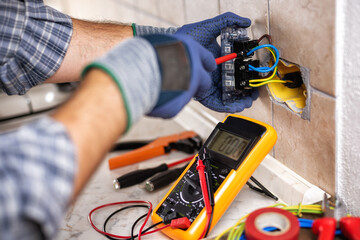
Electrical code compliance refers to adherence to a set of standards and regulations that govern the design, installation, and maintenance of electrical systems. These codes are developed and updated regularly to reflect advancements in technology, safety research, and best practices. They cover everything from wire sizing, panel installation, and circuit protection to grounding, outlet placement, and emergency systems. Understanding and implementing these codes is essential for property owners who want to maintain safe, functional, and energy-efficient electrical systems. Visit Our Website for more information.
Why Electrical Code Compliance Matters
The primary purpose of electrical codes is safety. Improperly installed electrical systems can lead to fires, shocks, or damage to appliances and devices. For property owners, non-compliance can also result in financial and legal consequences, including fines, insurance complications, and liability in the event of an accident.
Compliance is particularly important because electrical systems are subject to wear over time, increasing the risk of failure if they are not installed according to standards. Upgrading systems or performing repairs without considering current code requirements can leave properties vulnerable to hazards. Licensed electricians are trained to interpret and implement electrical codes, ensuring that every installation and repair meets current safety standards.
Beyond safety, code compliance contributes to system efficiency. Properly installed systems reduce energy waste, prevent overloading, and improve the longevity of wiring, panels, and connected devices. Compliant systems also simplify future upgrades and modifications, making it easier to integrate new technology or expand the property’s electrical capacity.
Common Components Regulated by Electrical Codes
Electrical codes cover a wide range of components within a property’s electrical system. Some of the most common areas of regulation include:
- Circuit Breakers and Panels – Codes specify the proper sizing, installation, and labeling of panels and breakers to prevent overloads and ensure safe distribution of power.
- Wiring and Conduits – Proper wire gauge, insulation, and routing methods are mandated to prevent overheating, arcing, and electrical shorts.
- Grounding and Bonding – Ensuring that all electrical systems are properly grounded protects against shocks and equipment damage.
- Outlets and Switches – Placement, spacing, and installation methods are defined to maintain safety and accessibility, especially in wet or high-use areas.
- Lighting and Emergency Systems – Emergency exits, lighting, and backup power systems must comply with standards to function effectively in case of power outages.
By adhering to these regulations, property owners can maintain a safe environment, avoid costly code violations, and support efficient electrical system performance.
Residential Electrical Code Considerations
For homeowners, compliance with electrical codes is vital for everyday safety and long-term value. Residential electrical codes cover wiring methods, panel upgrades, outlets, and safety devices such as Ground Fault Circuit Interrupters (GFCIs) and Arc Fault Circuit Interrupters (AFCIs).
For example, GFCIs are required in areas with water exposure, such as kitchens, bathrooms, and outdoor outlets. These devices prevent electric shocks by cutting off power when a ground fault is detected. AFCIs, on the other hand, protect against electrical fires by detecting arcing in circuits. Both devices are mandatory in modern residential systems and are crucial for preventing accidents.
Other residential considerations include proper wire sizing for high-demand appliances, safe installation of lighting and ceiling fans, and ensuring that panel upgrades meet current load requirements. Homeowners who neglect these standards risk frequent breaker trips, overheating circuits, and potential hazards that could have been easily avoided with code-compliant installation.
Commercial Electrical Code Considerations
Commercial properties are subject to more stringent electrical regulations due to higher power demands, public access, and the complexity of operations. Compliance covers high-voltage systems, industrial equipment, emergency lighting, fire alarm systems, data networks, and backup power infrastructure.
For example, commercial code regulations dictate the proper installation of three-phase power systems, surge protection for sensitive equipment, and emergency power generation. These systems must be designed to handle peak loads safely and provide uninterrupted operation during outages. Non-compliance can lead to equipment failure, downtime, and significant financial losses for businesses.
Two critical areas for commercial code compliance include:
- Load Calculations and Circuit Design – Ensuring that circuits and panels can safely support the property’s electrical demand without overloading.
- Safety Systems Integration – Installing fire alarms, emergency lighting, and exit signage according to code to protect occupants and comply with inspection requirements.
Licensed electrical contractors are essential for commercial properties, as they can interpret complex code requirements, implement compliant systems, and provide documentation for inspections and audits.
Consequences of Non-Compliance
Failing to adhere to electrical codes can have serious consequences for property owners. These include:
- Safety Hazards – Increased risk of electrical fires, shocks, and equipment damage.
- Financial Penalties – Fines from inspections or violations can be substantial.
- Insurance Issues – Non-compliance can void insurance coverage, leaving owners liable for damages.
- Legal Liability – Property owners may be held responsible if code violations result in injury or property damage.
- Operational Disruption – Electrical failures caused by non-compliant systems can lead to costly downtime and repairs.
By ensuring code compliance, property owners mitigate these risks, safeguard occupants, and maintain uninterrupted operations.
How Licensed Electricians Ensure Compliance
Licensed electricians are trained to implement electrical code standards across all types of properties. Their expertise allows them to:
- Assess Existing Systems – Identify areas that fail to meet current codes and recommend upgrades or repairs.
- Design and Install Compliant Systems – From panel upgrades to wiring, outlets, and lighting, electricians ensure every component meets code requirements.
- Test and Inspect Systems – Verifying that electrical installations operate safely, efficiently, and in compliance with regulations.
- Provide Documentation – Offering proof of compliance for inspections, insurance, or property transactions.
Working with licensed professionals ensures that property owners avoid costly mistakes, maintain safety, and achieve long-term reliability for their electrical systems.
Upgrading Electrical Systems for Compliance
Over time, electrical codes evolve to incorporate new safety standards, technology advancements, and efficiency requirements. Property owners with older electrical systems may find that upgrades are necessary to meet current codes. Common upgrades include:
- Replacing outdated panels – Older panels may not support modern electrical loads or required safety devices.
- Upgrading wiring – Replacing aluminum or knob-and-tube wiring with modern, code-compliant conductors.
- Installing GFCIs and AFCIs – Adding protection devices in key areas to prevent shocks and fires.
- Integrating energy-efficient devices – Modern lighting, appliances, and controls often meet both safety and efficiency standards.
By investing in upgrades, property owners enhance safety, improve efficiency, and future-proof their electrical infrastructure for evolving needs.
Energy Efficiency and Code Compliance
Electrical code compliance is not only about safety—it also supports energy efficiency. Modern codes often incorporate requirements for efficient lighting, smart controls, and load management. Property owners who upgrade their systems to meet these standards benefit from reduced utility costs, improved performance, and enhanced sustainability.
Examples include:
- LED Lighting and Smart Controls – Reduce energy consumption while providing reliable illumination.
- Properly Sized Panels and Circuits – Prevents energy loss due to overloading or inefficient distribution.
By aligning electrical systems with current codes, property owners can achieve both safety and energy efficiency goals.
Understanding and adhering to electrical code compliance is essential for all property owners. Whether for residential homes or commercial buildings, compliance ensures safety, reliability, and efficiency. Ignoring these standards can lead to hazardous conditions, legal and financial penalties, and operational disruptions.
Licensed electricians play a critical role in ensuring code compliance. Their expertise in assessment, installation, inspection, and documentation guarantees that electrical systems meet or exceed regulatory standards. Upgrading panels, wiring, and devices to align with current codes not only protects property and occupants but also supports energy efficiency and long-term performance.
Investing in code-compliant electrical systems is more than a legal obligation—it is a proactive strategy to safeguard your property, reduce risks, enhance operational reliability, and prepare for future electrical needs. By prioritizing compliance, property owners can enjoy peace of mind, lower costs, and the assurance that their electrical systems are safe, efficient, and ready to meet modern demands.