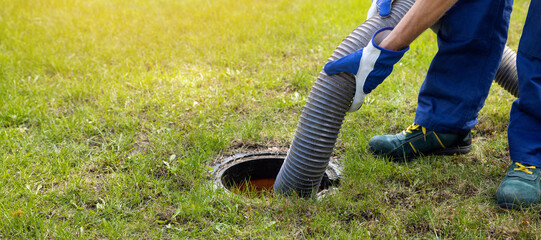
A well-functioning septic system protects a building in many ways. Routine pumping helps prevent surprises that can drive up repair costs.
Septic tanks temporarily store waste, allowing heavier solids to sink to the bottom and lighter fats to rise to the top. The clear liquid in the middle, called effluent, drains into the soil absorption field or leach field for further treatment and filtration. Contact Septic Tank Pumping Brighton MI for more details.
Cost-Effective Maintenance
Septic tanks are significant investments with lifespans that can be substantially extended through routine care. A well-maintained tank reduces stress and strain, delaying the need for expensive repairs that affect home value, safety, and comfort. A clean system also saves water, reduces utility bills, and supports daily living.
A septic system operates at its best when waste flows easily through the underground network. A septic tank that is overflowing or clogged can cause costly problems throughout the property, including sewage backups and environmental contamination. To avoid these serious issues, homeowners should schedule regular septic tank pumping services and follow preventive maintenance tips like eliminating non-biodegradable items from the drain line or installing low-flow toilets to reduce water usage.
Untreated septic systems are dangerous to humans and pets because they can create toxic bacteria that enter the drinking supply. In addition, they can pollute the environment and even contaminate the groundwater that supplies homes. A septic system that has been neglected can cost thousands of dollars to repair or replace, making septic tank pumping an affordable service that minimizes risks and keeps the system working as it should.
Most septic systems consist of a concrete or plastic tank, a network of pipes, and a drainage field that treats sewage by filtering it through the soil. Liquid waste flows from the house into the tank, where solids settle, and sludge drains into the drainage field. If the septic tank does not get pumped when needed, a buildup of solid waste can cause a clog or overflow, leading to odors and sewage backups inside the home.
Septic tank pumping services eliminate the excess waste to keep the system operating as it should, preventing odors and wastewater back-ups. If a homeowner notices signs of a problem, such as slow drains or gurgling toilets, they should contact their local septic tank cleaning service right away to schedule a tank pumping visit.
To prepare for the septic tank pumping service, homeowners should clear the area around the septic tank to ensure it can be easily located and accessed by technicians. They should also ensure the septic tank lid is open and remove any debris or plants that might be covering it. The tank may need to be uncovered to facilitate the pumping process, and if it has two compartments, both sides will need to be emptied.
Reduced Risk of Sewage Backups
When a septic system becomes overloaded with waste, the leachate that seeps out of the tank can cause sewer backups. Not only are these a major health and property hazard, but they also pose significant risks to the environment. Regular septic tank pumping ensures that the leachate is free of contaminants, protecting water sources and natural ecosystems.
A professional septic service inspects the tank and drainfield when they pump it. This gives the technician an opportunity to spot problems and perform maintenance as needed before they become serious. By catching cracks, leaks and other problems early on, the technician helps homeowners avoid expensive septic system repairs down the road.
Foul odors coming from the yard are one of the first signs that a septic tank is nearing capacity. These odors are not only unpleasant but can also cause respiratory problems from pathogens in the waste. Regular septic tank pumping removes these odors and keeps them from becoming a continuous problem, ensuring the safety of families and pets.
Another sign that a septic tank is overflowing is when sinks and toilets begin to drain more slowly. Slow drainage could mean that the tank is full or a clog is present, which needs to be addressed quickly to prevent wastewater from flowing back into the home. Septic tank pumping removes excess solids and floaters before they reach this point, reducing the risk of costly septic system repairs and odors.
If a homeowner fails to perform regular septic tank pumping, the waste will overflow into the surrounding soil. This contamination of groundwater and natural habitats poses a serious risk to the environment, harming man-made systems as well as wildlife and plants. Proper septic tank cleaning prevents this environmental disaster, keeping the septic tank, drain field and the surrounding environment healthy.
Septic tank pumping also reduces the wear and tear on the septic system. The physical strain of handling heavy waste causes parts to break down over time, but routine cleanings minimize this damage and extend the lifespan of the septic tank and drainfield. The reduced wear and tear also saves homeowners money on replacement costs, making septic tank pumping an investment that pays off for the long run.
Less Sludge and Scum Buildup
The process of septic tank pumping involves using a large truck and giant hose to remove the waste that has built up in your septic system. This waste will often be a mixture of liquids and solids that form in layers. The top layer, called scum, is comprised of oils and fats, while the bottom, or sludge, consists of solid waste that settles to the bottom of the tank. When you hire a professional to pump your septic system, the technician will enter the tank through the manhole on your property and insert the hose. The hose will then vacuum up all the sludge, scum, and liquid wastewater into the truck, which is then taken to a local sewage treatment facility for processing and disposal.
Once the septic tank is empty, your technician will inspect the tank and pipes for any signs of damage or wear. If they see any problems, the technician can repair them right away to prevent major repairs in the future.
During the inspection, technicians will also look for any cracks in the tank or any leaks in the inlet and outlet pipes. They may even spot some problems that are too small to catch on their own, but which could lead to expensive damages in the future. This is why it’s important to maintain a consistent schedule of septic tank pumping and maintenance services.
While some septic system owners believe that chemical additives can replace the need for regular pumping, these products often disrupt the natural bacteria within your septic tank and may actually harm it. Keeping the system in balance by getting it pumped regularly will help extend its lifespan, minimize costly repairs, and protect groundwater from contamination.
Your septic system is one of the most essential parts of your home or commercial space, supporting your daily life in quiet ways that you probably never think about. A little maintenance today can reduce the risk of costly repairs later on, making it well worth the small expense. So, weigh the cost of a septic tank pumping service against the potential costs of a full system repair, and choose to get your septic system pumped regularly by a professional company.
Reduced Odors
If you have a septic system, you know how important it is to maintain it properly. However, many homeowners neglect this vital maintenance. A septic tank that doesn’t get pumped on schedule can lead to a variety of unpleasant problems. These include sluggish drains, foul odors, and standing water in the yard. These are all signs that it’s time to call for a septic system pumping.
A well-functioning septic system also prevents costly repairs to the home and yard. The waste from your household goes into the septic tank to undergo natural filtration. This happens thanks to microscopic workers that transform solid waste into liquid effluent. Any solids that don’t break down settle at the bottom of the tank, forming a sludge layer. The liquid effluent flows into the drainfield, where it undergoes further natural filtration. A full tank sends too much wastewater into the drainfield, which oversaturates the soil and causes sewage backups. Regular septic tank pumping reduces this strain and keeps the drainfield in good condition.
Proper septic tank maintenance also extends the lifespan of the septic system itself. This helps avoid the need for expensive replacements and saves money on a new installation. The exact duration of a septic system’s useful life depends on the size of the tank and household water usage, among other factors. Regular maintenance also includes a thorough inspection by a professional to catch any damage or defects that could shorten its lifespan.
Aside from preventing system failure, maintaining a septic tank also improves the property’s value. Potential buyers will notice a well-cared-for waste system and see the value in it.
Septic system pumps are usually required by law, so sticking to a pumping schedule is the best way to meet local regulations and avoid penalties. Septic tank pumping experts are familiar with the regulations and can help you stay compliant without trouble.