Pest problems are often treated as sudden emergencies, something to address only when insects or rodents become visible inside a home or commercial space. However, this reactive approach overlooks a more effective strategy that focuses on long-term protection rather than short-term fixes. Preventive pest control is the practice of managing environmental conditions, structural vulnerabilities, and early risk factors before infestations develop. Instead of waiting for pests to appear, preventive methods aim to stop them from entering, breeding, or establishing themselves in the first place.
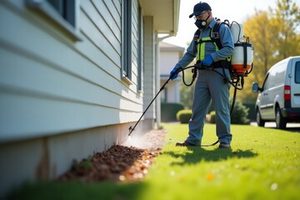
This approach is becoming increasingly important as pest behavior adapts to modern living environments. Urban expansion, climate shifts, and increased indoor comfort conditions all contribute to year-round pest activity. As a result, waiting until a problem becomes visible often means dealing with a more advanced and difficult infestation. Preventive Port St Lucie Pest Control addresses this issue by focusing on consistency, monitoring, and early intervention.
Understanding why prevention matters requires looking at how pests enter environments, how quickly they multiply, and why early control is significantly more efficient than reactive treatment. When applied correctly, preventive pest control reduces damage, lowers long-term costs, and improves overall health and hygiene conditions.
Why Preventive Pest Control Matters More Than Reactive Treatment
Reactive pest control focuses on eliminating pests after they have already become a problem. While this can be effective in the short term, it often fails to address the root causes that allowed the infestation to develop. Preventive pest control, on the other hand, focuses on stopping the problem before it begins.
Pests typically do not appear randomly. They are attracted by food sources, moisture, shelter, and access points. If these conditions remain unaddressed, infestations are likely to recur even after treatment.
Key reasons prevention is more effective include:
- It reduces the likelihood of full-scale infestations developing.
- It addresses environmental causes rather than just symptoms.
- It limits structural damage caused by pests over time.
- It reduces repeated treatment costs.
- It improves long-term control stability.
By focusing on prevention, property owners gain more consistent protection and fewer emergencies.
Understanding How Pests Enter and Establish Themselves
To understand preventive pest control, it is important to recognize how pests gain access to indoor environments. Most infestations begin with small entry points that are easy to overlook. Cracks in walls, gaps around doors and windows, and openings in utility lines all provide pathways for pests.
Once inside, pests seek conditions that support survival and reproduction. Warmth, moisture, and food availability allow them to establish colonies or nesting areas quickly.
Common entry and establishment factors include:
- Structural gaps and unsealed openings.
- Moisture accumulation in hidden areas.
- Food residue or improperly stored supplies.
- Cluttered or undisturbed storage spaces.
- Poor ventilation in enclosed environments.
Preventive pest control focuses on eliminating these conditions before they attract or sustain infestations.
The Financial Benefits of Preventive Pest Control
One of the most significant advantages of preventive pest control is cost savings. Treating an active infestation often requires more intensive intervention, multiple treatments, and sometimes structural repairs. In contrast, prevention involves smaller, routine measures that reduce the likelihood of expensive problems.
For example, addressing a minor entry point early is far less costly than repairing damage caused by rodents or insects over time.
Financial advantages include:
- Lower long-term treatment expenses.
- Reduced risk of property damage.
- Fewer emergency intervention costs.
- Decreased need for repeated extermination.
- Extended lifespan of building materials and fixtures.
Preventive strategies help shift pest control from a reactive expense to a manageable maintenance practice.
Health and Hygiene Protection Through Prevention
Pests are not just a structural concern; they can also pose health risks. Many insects and rodents are known carriers of bacteria, allergens, and other contaminants. When infestations are left unchecked, they can affect indoor air quality and hygiene conditions.
Preventive pest control reduces these risks by minimizing pest presence before contamination occurs.
Health-related benefits include:
- Reduced exposure to disease-carrying pests.
- Lower risk of food contamination.
- Improved indoor air quality.
- Decreased allergen presence from pest debris.
- Safer living and working environments.
Maintaining prevention strategies helps protect both occupants and overall environmental health.
Structural Protection and Property Preservation
Pests can cause significant damage to buildings if allowed to establish themselves. Termites, rodents, and certain insects can weaken structural materials, damage insulation, and compromise electrical systems. Over time, this damage can become extensive and expensive to repair.
Preventive pest control helps protect the physical integrity of a property by addressing risks early.
Structural protection benefits include:
- Prevention of wood and material degradation.
- Reduced risk of insulation damage.
- Protection of electrical wiring systems.
- Preservation of building foundations and framing.
- Minimized long-term repair needs.
By preventing infestations before they start, property owners avoid structural deterioration.
Key Components of Preventive Pest Control
Effective preventive pest control involves multiple strategies working together rather than a single solution. It requires consistent attention to environmental conditions, structural integrity, and routine monitoring.
Core components include:
- Regular inspections to identify early warning signs.
- Sealing entry points such as cracks and gaps.
- Managing moisture levels in and around structures.
- Maintaining proper sanitation and food storage practices.
- Applying targeted treatments in high-risk areas when necessary.
These combined efforts create a protective barrier that discourages pest activity.
Environmental Management as a Preventive Strategy
Environmental conditions play a major role in pest attraction. Moisture, clutter, and accessible food sources all contribute to infestation risk. By managing these factors, it becomes significantly harder for pests to establish themselves.
Simple environmental adjustments can make a substantial difference in prevention.
Important environmental strategies include:
- Fixing leaks and reducing standing water.
- Keeping storage areas clean and organized.
- Properly sealing food containers.
- Removing organic debris near structures.
- Ensuring adequate ventilation in enclosed spaces.
These practices reduce the conditions that pests depend on for survival.
Monitoring and Early Detection
Regular monitoring is a critical part of preventive pest control. Early detection allows for small issues to be addressed before they develop into larger infestations. Many pests leave subtle signs before becoming fully visible, such as droppings, damage, or unusual odors.
Monitoring helps identify these indicators early.
Effective monitoring practices include:
- Routine inspection of high-risk areas.
- Checking for droppings or nesting materials.
- Observing unusual structural damage.
- Monitoring moisture-prone zones.
- Tracking seasonal pest activity trends.
Early detection significantly reduces the difficulty of control.
Seasonal Awareness and Year-Round Protection
While pest activity may increase during certain seasons, many pests remain active year-round in indoor environments. This makes continuous prevention more effective than seasonal treatment alone.
Preventive pest control adapts to seasonal changes while maintaining consistent protection throughout the year.
Seasonal considerations include:
- Increased activity during warmer periods.
- Indoor survival during colder seasons.
- Migration patterns influenced by weather changes.
- Breeding cycles vary throughout the year.
- Continuous risk in climate-controlled environments.
Year-round prevention ensures consistent protection regardless of season.
Long-term Value of Preventive Pest Control
Preventive pest control provides long-term value by reducing the frequency and severity of infestations over time. Instead of repeatedly addressing recurring issues, prevention creates a stable environment that discourages pest activity.
Long-term advantages include:
- Fewer emergency pest situations.
- Lower cumulative treatment costs.
- Improved property condition over time.
- Reduced stress associated with infestations.
- Greater overall environmental stability.
This long-term approach is both practical and efficient.
When Preventive Pest Control Is Most Important
Preventive pest control is beneficial in nearly all environments, but it is especially important in certain conditions where pest risk is higher. Properties with frequent moisture, nearby vegetation, or structural vulnerabilities benefit most from ongoing prevention.
High-priority situations include:
- Older structures with potential entry points.
- Areas with high humidity or moisture exposure.
- Properties near natural vegetation or soil.
- Buildings with previous pest history.
- Spaces with frequent food storage or handling.
In these cases, prevention is essential for maintaining control.
Preventive pest control is a proactive approach that focuses on long-term protection rather than short-term reaction. By addressing environmental conditions, structural vulnerabilities, and early warning signs, it significantly reduces the likelihood of infestations developing in the first place.
Its benefits extend beyond simple pest reduction. It protects health, preserves property, reduces costs, and improves overall living conditions. Instead of repeatedly responding to pest problems after they occur, preventive strategies create a stable environment where pests are far less likely to establish themselves.
In the long run, preventive pest control is not just an option but a practical necessity for maintaining safe, clean, and durable living and working spaces.